Why Nepal's Himalayan Trails Are Unlike Any Other Place on Earth
There is a particular quality to the light at high altitude in Nepal that photographers try to describe and usually fail. It arrives differently above 3,000 metres — cleaner, colder, and capable of turning an ordinary ridgeline into something that stays with you for years.
The Scale That Changes You
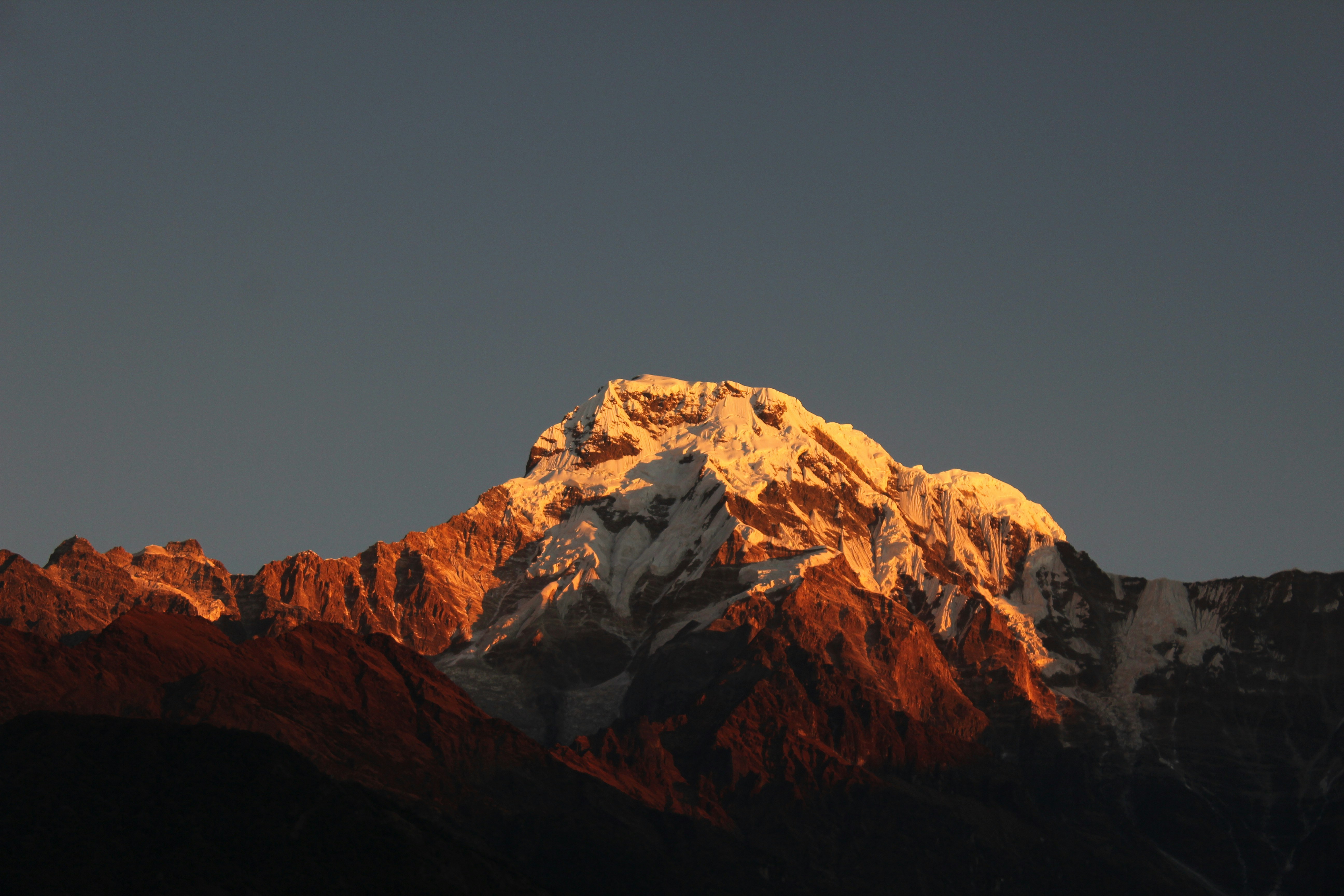
The Himalayan range contains eight of the world's fourteen peaks above 8,000 metres. But raw statistics don't capture what it means to stand in a valley and look up at Machapuchare's twin summits from Pokhara, or to watch the sun rise over Kala Patthar and set the entire Khumbu glacier ablaze in gold light.
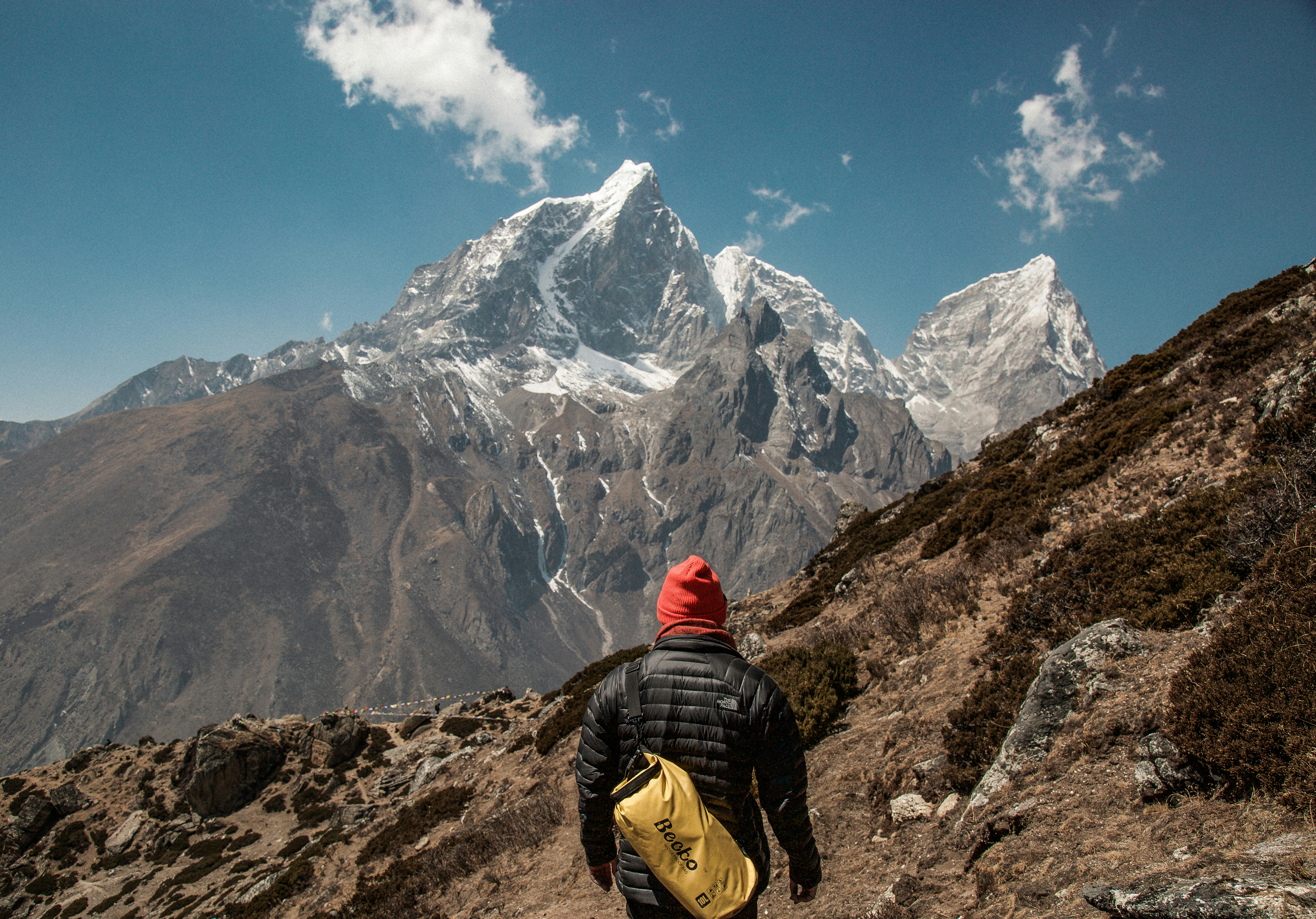
Nepal's trails are not just physically demanding — they're philosophically demanding. The approach to Everest Base Camp takes you through Sherpa villages where prayer flags have beaten in the wind for generations. The Annapurna Circuit crosses the world's deepest gorge and the second-highest trekking pass on earth. These are landscapes that ask something of you.
Culture Woven Into Every Step
What separates Nepal's trekking routes from those in Patagonia, the Alps, or the Canadian Rockies is not just altitude — it's the living culture embedded in every village, monastery, and teahouse along the way. Trek the Everest region and you walk through the heart of Sherpa culture. Take the Langtang Valley route and you encounter Tamang traditions unchanged for centuries.
This is why Trekkya was built from Nepal, not just for Nepal. The difference is everything.
Practical Wisdom for First-Time Trekkers
Altitude is the primary challenge for most trekkers. The golden rule is simple: climb high, sleep low. Acclimatisation days at Namche Bazaar (3,440m) and Dingboche (4,410m) are not optional extras — they are what let you reach the destination safely.
The best trekking season in Nepal runs from October to December and March to May. Monsoon (June to September) closes most high passes. Winter (January to February) is cold but dramatically clear.
Trekkya is being built to hold all of this knowledge — and make it accessible, personal, and intelligent for every explorer who comes after.